
Seasonal · 8 min read
Central Park Photography by Season: Spring, Summer, Fall, and Winter
See what each Central Park season looks like in photos and how to plan around blossoms, summer greenery, fall foliage, cold, and snow.
By Central Park Photos · Updated
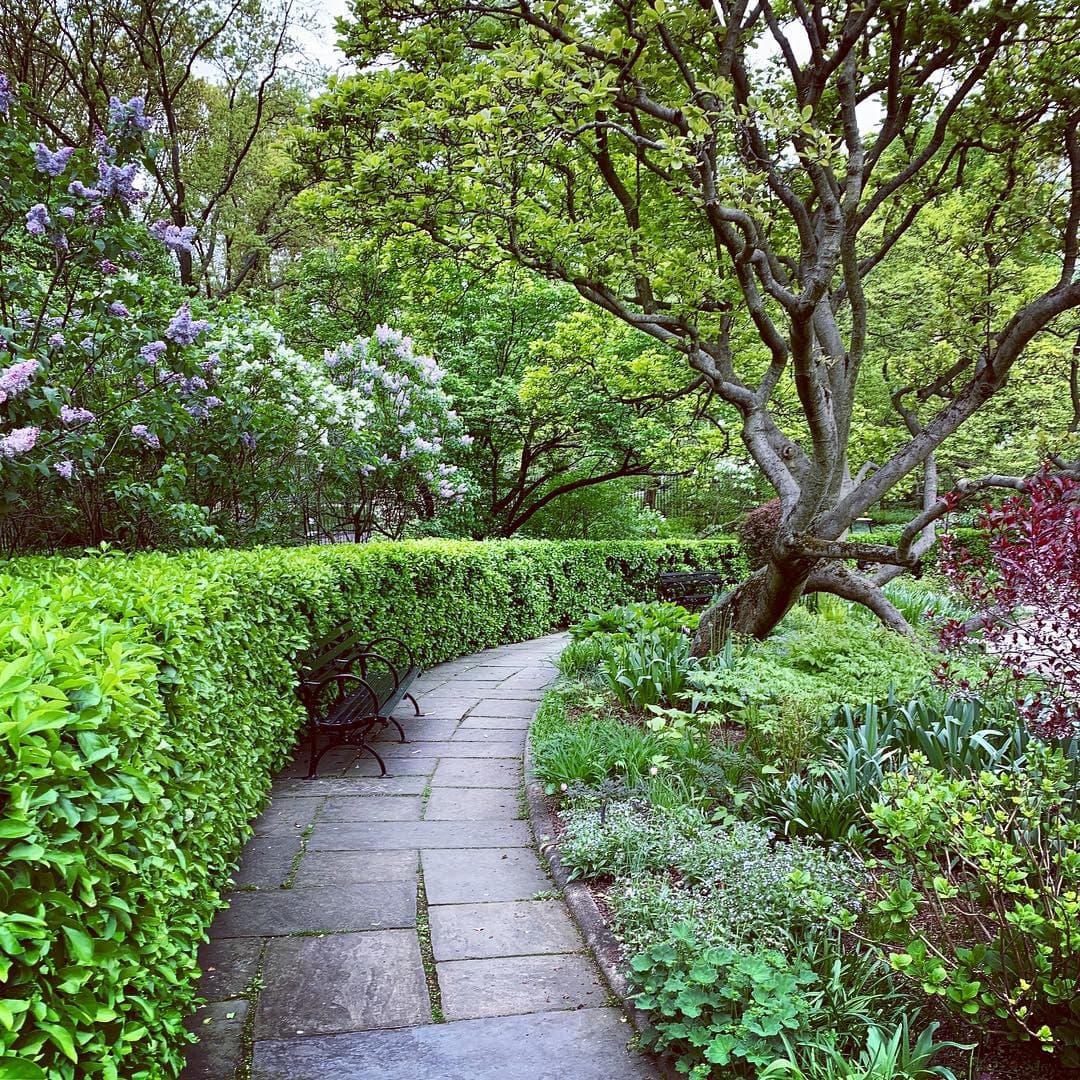
Spring: blossoms and fresh color
Spring changes quickly. Early growth appears before the best-known blossom windows, while tulips and formal plantings follow their own schedules. Flexible dates and location choices matter more than trying to guarantee one tree at peak bloom.
Summer: deep green and long evenings
Summer creates dense backgrounds and the widest range of evening appointment times. Sunrise avoids heat and crowds; later golden hour gives warm backlight. Breathable clothing, water, and a route with shade keep the session comfortable.
Fall: rich color and peak demand
Autumn is the most requested season, but different parts of the park turn at different times. The Mall is known for golden elm color, while lakeside and north-park routes can show deeper reds and oranges. Reserve early and keep color expectations flexible.
Winter: quiet paths and clean structure
Without dense leaves, bridges, arches, skyline, and stonework become more prominent. Winter light stays lower through the day and crowds are lighter. Coordinated coats and short warming breaks make the season feel intentional.
What about snow?
Snow cannot be promised, but a flexible next-day window can make it possible to photograph fresh accumulation. Paths may be wet or icy, so footwear and route safety come first. Gapstow Bridge, Bethesda Terrace, and The Mall all photograph beautifully after snowfall.